
Wet & Dry Rot Treatment
Rot can cause serious structural damage if left untreated. We identify the type, find the moisture source, and carry out lasting repairs.
Rot Doesn't Fix Itself
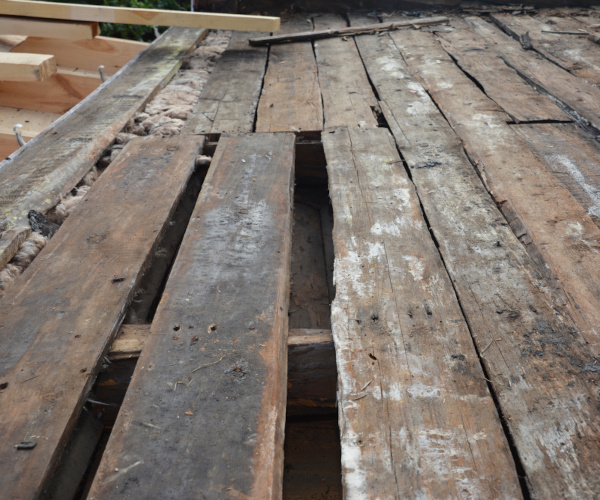
Timber rot is caused by fungal decay — and once it starts, it will keep spreading until the moisture source is removed and affected timber is treated or replaced.
The key to lasting repair is proper diagnosis. Dry rot and wet rot require different approaches, and both need the underlying damp problem fixed or the rot will return.
After 36 years, we've seen — and fixed — hundreds of rot problems. We'll show you exactly what's happening, explain your options in plain English, and carry out repairs that last.
Book Free Survey
Wet Rot vs Dry Rot
They're both fungal decay, but they behave differently and require different treatment approaches.
Wet Rot
The more common type. Wet rot needs high moisture content (above 50%) and typically stays localised to the wet timber. It won't spread through masonry.
Signs of Wet Rot:
- Soft, spongy timber
- Darkened, discoloured wood
- Cracking along the grain
- Damp, musty smell
Treatment: Fix the moisture source, remove affected timber, treat surrounding areas, replace with pre-treated timber.
Dry Rot (More Serious)
Despite the name, dry rot still needs moisture to start (above 20%), but can then spread through masonry to reach dry timber. It's more destructive and requires more extensive treatment.
Signs of Dry Rot:
- Cuboidal cracking (like charred wood)
- White/grey cotton-wool-like growth
- Mushroom-like fruiting bodies
- Distinctive musty smell
Treatment: More extensive — requires tracing spread, removing all affected timber plus 1m beyond, treating masonry, specialist fungicides.
Why it matters: Treating dry rot as wet rot won't work — the fungus will continue spreading through your walls. Proper identification is essential.
How We Treat Rot
Effective rot treatment requires finding and fixing the moisture source, not just treating the visible damage.
Full Survey
We identify the type of rot, trace its full extent (including hidden areas), and find the moisture source causing it.
Fix the Cause
There's no point treating rot if the moisture source remains. We address the underlying damp problem first.
Remove & Treat
All affected timber is removed, surrounding areas are treated with fungicide, and masonry is treated where necessary (dry rot).
Repair & Replace
New pre-treated timber is installed to replace removed sections. All work is guaranteed.
Common Locations for Rot
Rot occurs wherever timber stays damp. These are the most common problem areas:
- Floor joists — especially near external walls
- Window and door frames — where water gets in
- Skirting boards — from rising or penetrating damp
- Under bathrooms — from leaks and poor sealing
- Roof timbers — from roof leaks
- Cellars and basements — high humidity areas
Rot Treatment FAQs
How serious is dry rot?
Dry rot is a serious problem because it can spread through masonry to reach previously unaffected timber. Left untreated, it can cause significant structural damage. However, caught early and treated properly, it's entirely fixable.
Can I treat rot myself?
Minor wet rot in easily accessible, non-structural timber can sometimes be tackled DIY. However, dry rot always needs professional treatment due to its ability to spread, and any rot affecting structural timber should be assessed by an expert.
Will rot come back after treatment?
Not if the moisture source is fixed and the treatment is done properly. Our approach always addresses both the rot and its cause. We guarantee our work.
How much does rot treatment cost?
It varies enormously depending on the type of rot, extent of damage, and whether structural repairs are needed. A small area of wet rot might cost a few hundred pounds; extensive dry rot treatment could be several thousand. We provide clear written quotes.
My survey mentioned rot — should I pull out of the purchase?
Not necessarily. Survey reports often flag potential issues that turn out to be minor or historic. We can provide a specialist report that clarifies the extent of any problem and the likely treatment costs — helping you make an informed decision or renegotiate.
Worried About Rot in Your Property?
Get an expert assessment from Craig. We'll identify the type of rot, trace its extent, and explain exactly what needs doing.
- Free survey and honest diagnosis
- We fix the cause, not just the symptoms
- All work guaranteed
Book Your Free Survey
Tell us about your rot concerns.